When planning the interiors of a modern bedroom, one of the most critical decisions revolves around wardrobe design. Since wardrobes are major space-occupiers, choosing between sliding doors and traditional hinged doors impacts both the functionality and layout of your bedroom.
At Insignia Living, we frequently guide homeowners through this dilemma. While sliding wardrobes exude a sleek, contemporary aesthetic, hinged doors offer unmatched accessibility. In this guide, we break down how both options compare across space efficiency, cost, durability, and style.
1. Space Efficiency: Sliding Wins
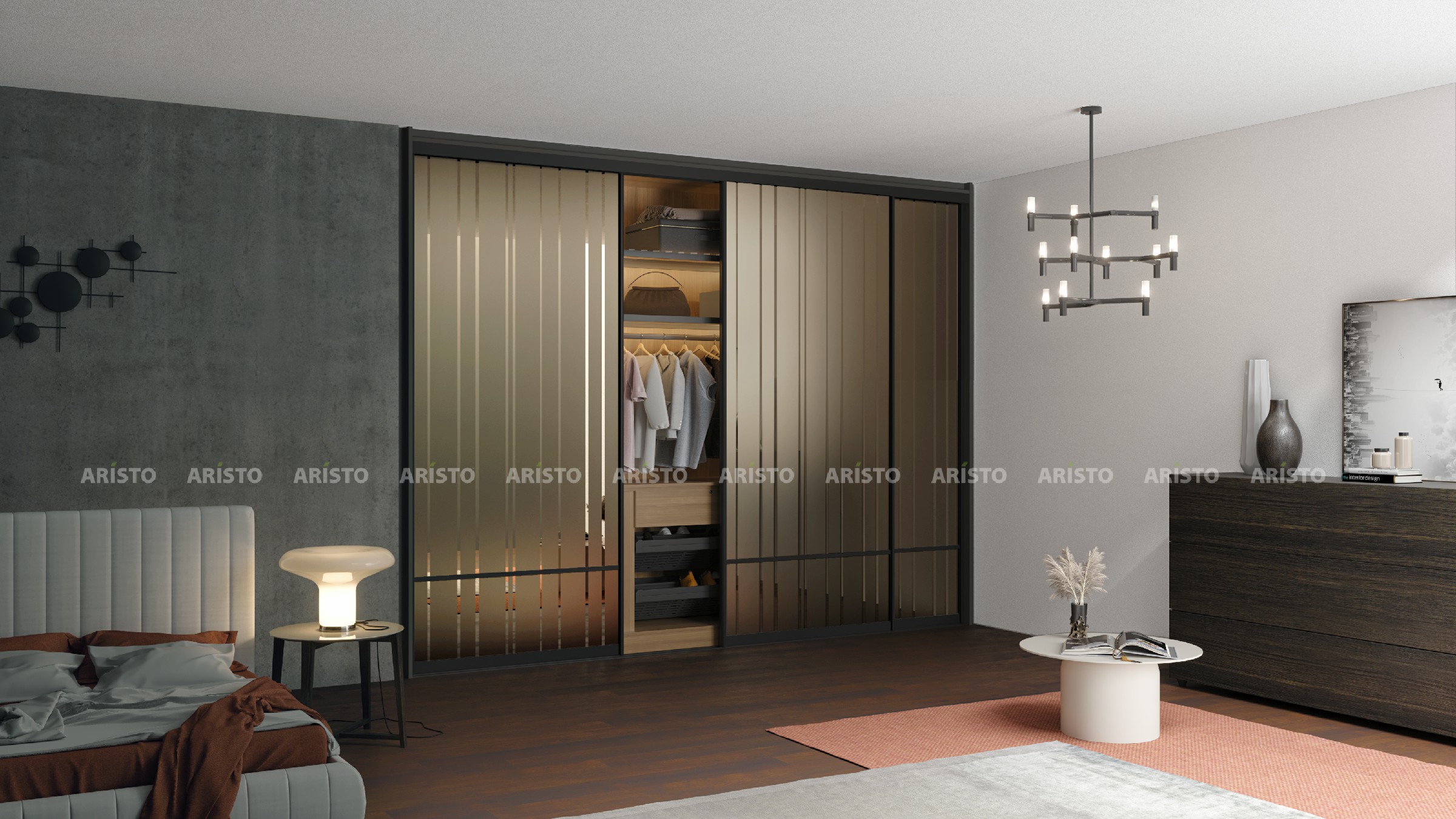
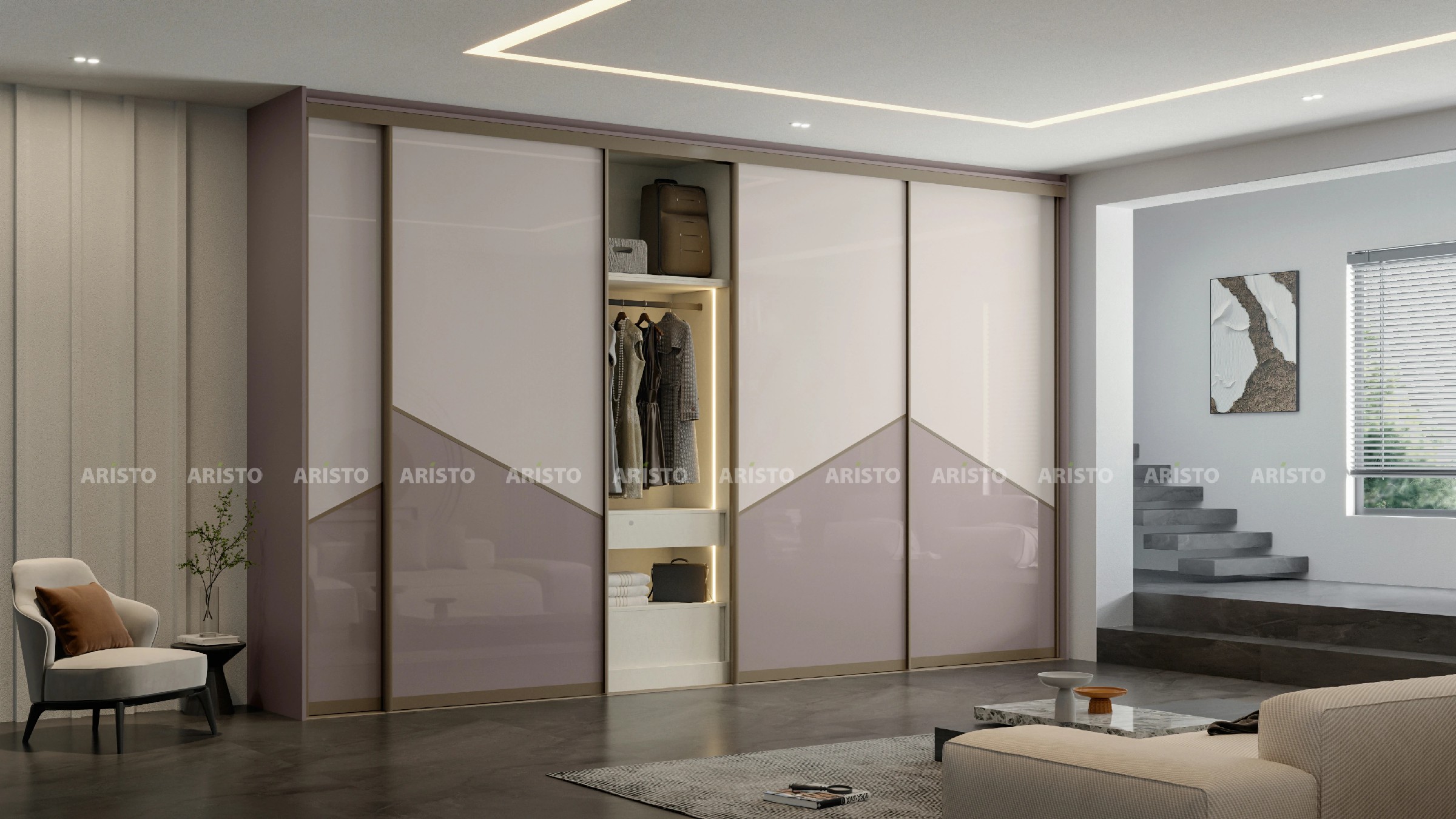
The biggest advantage of a sliding wardrobe is its space-saving mechanism. Because the doors slide sideways along metal tracks rather than opening outwards, they require absolutely no clearance space in front of them.
This makes sliding wardrobes the ideal choice for:
- Small or narrow bedrooms where the bed sits close to the wardrobe.
- Walkways or corridors where hinged doors would block movement.
- Achieving a flush, wall-to-wall integrated look.
Conversely, hinged wardrobes require at least 2 to 3 feet of open space in front to allow the doors to swing open comfortably, limiting where you can place other furniture.
"Sliding wardrobes are the perfect architectural answer to modern apartments, where spatial efficiency is at a premium."
2. Accessibility and Convenience
While sliding doors save floor space, they have one major design limitation: you can never view the entire contents of your wardrobe at once. Sliding one door open automatically blocks the other half. If two people share a wardrobe, this can cause minor morning bottlenecks.
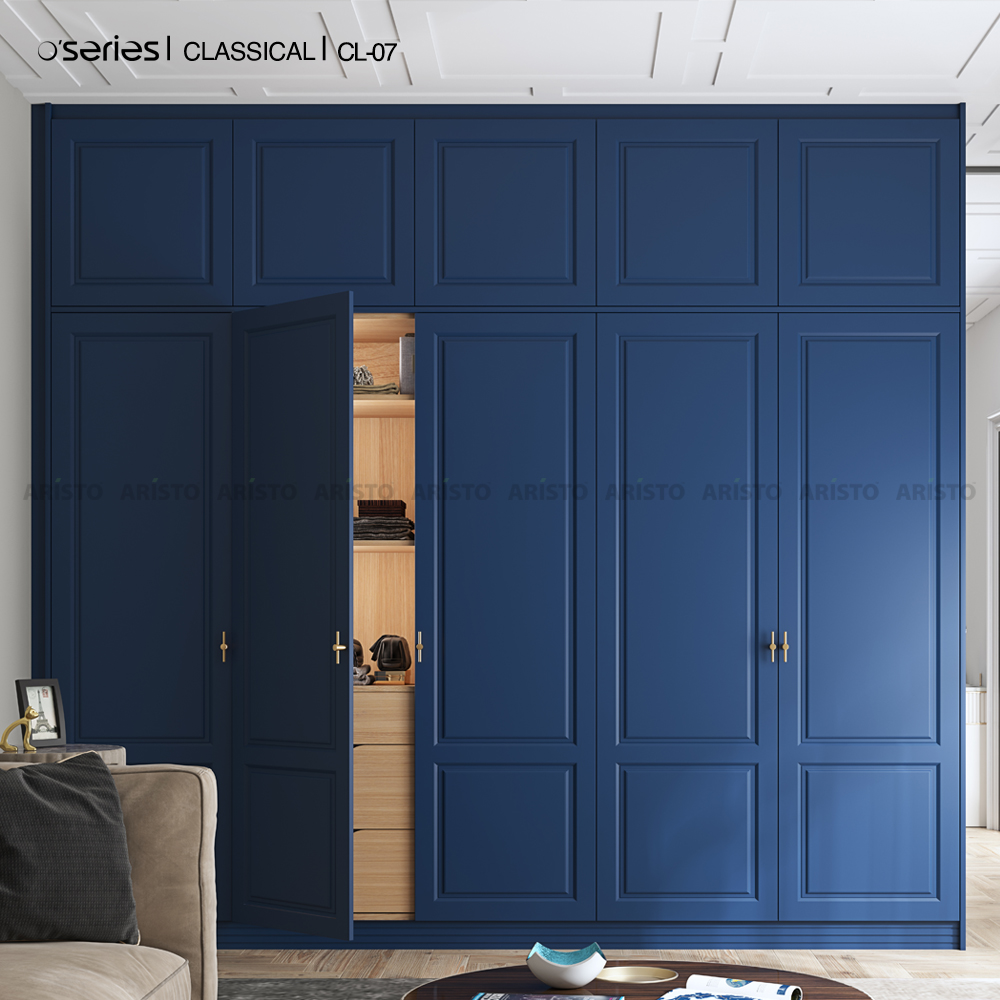
Hinged wardrobes, on the other hand, allow you to swing all doors open simultaneously. This provides a panoramic view of your entire clothing collection. Additionally, the backs of hinged doors can be fitted with functional accessories like hooks, tie racks, or slim mirrors.
3. Durability & Maintenance
Traditional hinged wardrobes rely on simple, highly reliable hinges. If a hinge wears out after years of usage, replacing it is inexpensive and takes minutes. They are structurally robust and highly forgiving of slight floor misalignments.
Sliding wardrobes rely on premium tracks and rollers. Low-quality track mechanisms can easily derail, accumulate dust, or become stiff over time. To ensure a sliding wardrobe lasts decades, it is imperative to invest in high-end German or Italian sliding systems (such as the systems we use at Insignia Living) and clean the lower tracks periodically.
4. Aesthetic Styles
From a styling perspective, sliding wardrobes lean heavily towards minimalist, modern, and sleek designs. They act as accent walls, especially when finished with tinted glass, lacquered panels, or wood veneers.
Hinged wardrobes are highly versatile. They can be detailed with classical panels, vintage moldings, brass handles, or handleless push-to-open mechanisms. If you prefer classical, neo-classical, or transitional bedroom styling, hinged doors are the natural choice.
Summary Comparison
Choose a sliding wardrobe if your bedroom has limited floor space, you love minimalist design, and you want a clean accent-wall effect. Choose a hinged wardrobe if you want full accessibility, traditional elegance, ease of maintenance, and have ample room to open doors outwards.